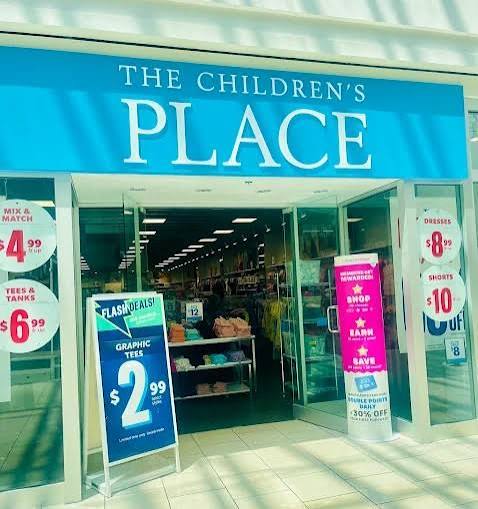
Quick answer: Vendors that received payments from The Children’s Place between August 10, 2026 and November 8, 2026 could be sued later to return those payments as preferences under Section 547 of the Bankruptcy Code. Lawsuits can be filed until November 8, 2028. Strong defenses exist, especially ordinary course of business and subsequent new value, but they depend on records you should preserve now.
Our preference defense results: We have settled 79 preference and fraudulent transfer claims against our clients. Those claims totaled $13,968,865.93 and settled for $1,055,323.52, saving our clients $12,913,542.41. That is an average claim reduction of 92.4 percent.
Recent retail results: In the Rite Aid bankruptcy, we resolved a $1,702,988.87 preference claim for $1,000. In Bed Bath & Beyond, we resolved a $1,018,925.76 claim for $5,000. In Deb Stores, a women’s apparel retailer, we resolved a $248,766.84 claim for $10,000. In Charming Charlie, we resolved a $95,578.12 claim for $17,000.
Prior results do not guarantee a similar outcome. Every case depends on its own facts and circumstances.
What is a preference?
A preference is a payment or other transfer to a creditor, on account of an old debt, made while the debtor was insolvent and within 90 days before the bankruptcy filing, that let the creditor receive more than it would in a Chapter 7 liquidation. Transfers to insiders are reachable for one year. The estate representative can sue to recover the transfer even though the vendor did nothing wrong and simply accepted payment of a legitimate invoice.
The Children’s Place, Inc. and 13 affiliates filed Chapter 11 on November 8, 2026 in the U.S. Bankruptcy Court for the District of New Jersey, Case No. 26-22682 (SLM), before Judge Stacey L. Meisel. The 90-day preference window runs from August 10, 2026 through November 8, 2026.
Will Children’s Place vendors actually be sued?
It depends on how the case ends. The company is selling substantially all of its assets, with bids due December 9, 2026. In retail sale cases, preference claims are sometimes sold to the buyer, sometimes released for vendors the buyer wants to keep doing business with, and sometimes preserved for unsecured creditors and pursued later by a liquidating trustee or plan administrator. The official unsecured creditors’ committee often pushes to preserve them.
The recent Forever 21 case shows what preservation looks like. A plan administrator sued more than 130 vendors after that retailer’s bankruptcy. When a large retailer liquidates or sells with few assets left for unsecured creditors, preference litigation is one of the main remaining sources of recovery.
Under Section 546(a), the deadline to sue is generally two years after the filing, which here is November 8, 2028. Preference suits in this case would ordinarily be filed in the New Jersey bankruptcy court where the case is pending, so sued vendors will need a New Jersey bankruptcy attorney.
The $8,575 floor and the due diligence requirement
Under Section 547(c)(9), a trustee cannot avoid transfers to a vendor whose debts are not primarily consumer debts if the aggregate value of all transfers is less than $8,575, the amount in effect for cases filed on or after April 1, 2025. Section 547(b) also requires the plaintiff to exercise reasonable due diligence and consider the defendant’s known or reasonably knowable defenses before suing. A vendor that responds early with strong defense documentation can sometimes end a demand before it becomes a lawsuit.
Defenses that matter most to retail vendors
Ordinary course of business
Under Section 547(c)(2), a payment is protected if it paid a debt incurred in the ordinary course of business and was made either in the ordinary course of business between the two companies or according to ordinary business terms in the industry. Courts typically compare payment timing during the 90-day window with a baseline period before it. Payments that sped up, slowed sharply, or came only after collection pressure are the ones most often challenged.
Subsequent new value
Under Section 547(c)(4), shipments or services you provided on credit after receiving a preferential payment reduce your exposure. The Third Circuit has held that new value can count even if the debtor later paid for it after the filing, for example under a critical vendor order. For a vendor that kept shipping into early November, this defense can eliminate much of the exposure.
Contemporaneous exchange for new value
Under Section 547(c)(1), a payment intended as a substantially contemporaneous exchange, such as cash on delivery, is protected.
503(b)(9) and critical vendor agreements
Vendors whose goods arrived within 20 days before the filing may hold administrative claims that interact with any preference demand. Critical vendor or trade agreements sometimes include preference releases or waivers. Read those terms before you sign.
What to save now
- Every invoice, purchase order, and proof of delivery from at least August 2024 through the present.
- Payment records showing the date each payment cleared, not only the date it was sent.
- Credit terms, credit limit changes, credit holds, and any collection emails or calls.
- Records of shipments made after each payment during the 90-day window.
These records are the foundation of both the ordinary course and new value defenses, and they are much easier to gather now than two years from now.
How Delaware Bankruptcy Attorney defends vendors in preference lawsuits
Preference defense is one of our core practice areas. We defend vendors sued in major retail bankruptcies, including Forever 21, Rite Aid, Bed Bath & Beyond, and Deb Stores, and practice before the bankruptcy courts in Delaware, New Jersey, Pennsylvania, and Southern Florida. We build the ordinary course and new value analysis from your records, respond to demand letters, and negotiate or litigate to resolve claims efficiently. We also help creditors who were injured at a store or who need to file claims in the Children’s Place case itself.
If your company received payments from The Children’s Place or Gymboree during the 90 days before November 8, 2026, call us at (302) 214-0777 or use the contact form on this page.
Frequently Asked Questions
What is the preference period in The Children’s Place bankruptcy?
The 90-day preference period runs from August 10, 2026 through the November 8, 2026 filing date. Payments to insiders are reachable for one year before the filing.
When could preference lawsuits be filed in The Children’s Place case?
Under Section 546(a), preference lawsuits generally must be filed within two years after the filing, which is November 8, 2028.
Is there a minimum amount for a preference claim?
Yes. For vendors whose debts are not primarily consumer debts, transfers totaling less than $8,575 cannot be avoided in cases filed on or after April 1, 2025, under Section 547(c)(9).
What are the best defenses to a Children’s Place preference claim?
The most common are the ordinary course of business defense under Section 547(c)(2) and the subsequent new value defense under Section 547(c)(4). In the Third Circuit, new value can count even if the debtor later paid for it after the filing.
What should vendors do now to prepare for a possible preference demand?
Preserve invoices, delivery records, payment clearing dates, credit terms, and collection communications from at least two years before the filing, plus records of shipments made after each payment in the 90-day window.
About the Author
Jenny R. Kasen is the founding attorney of Delaware Bankruptcy Attorney, a boutique bankruptcy firm with offices in Wilmington, Delaware and Cherry Hill, New Jersey. She represents creditors and debtors before the U.S. Bankruptcy Courts for the District of Delaware, the District of New Jersey, the Eastern District of Pennsylvania, and the Southern District of Florida. Her practice includes creditor-side work in large Chapter 11 cases, preference and adversary proceeding defense, and Chapter 7, 11, 13, and Subchapter V cases.
Disclaimer: This article provides general information about The Children’s Place, Inc. Chapter 11 case as it stood on November 9, 2026. It is not legal advice, and reading it does not create an attorney-client relationship. Court orders, deadlines, and the sale timeline can change quickly, so confirm current dates on the court docket or the claims agent’s case website, and speak with a lawyer about your specific situation. Attorney Advertising.